
(Yes, even more memorable than the bill.)
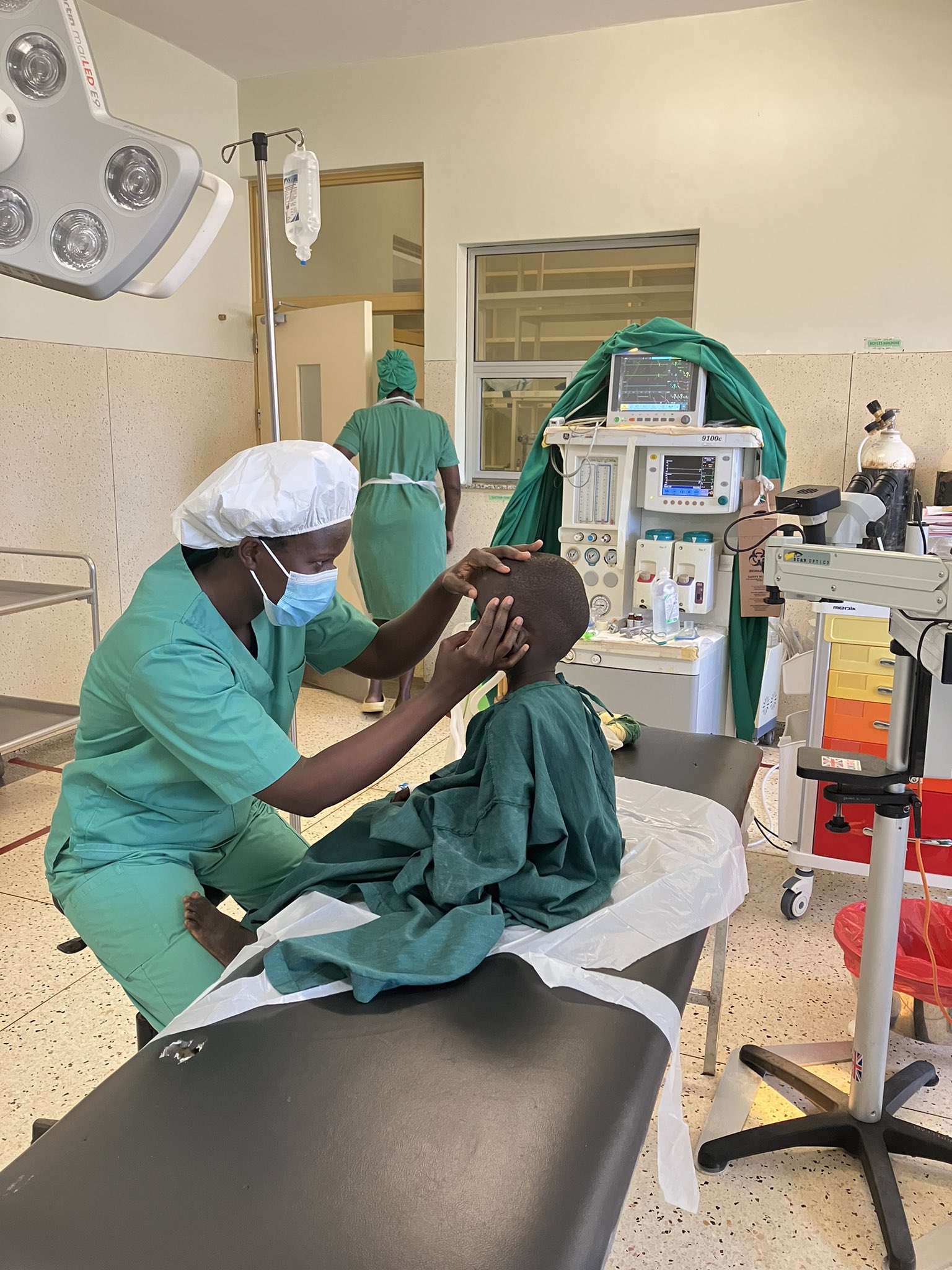
If you’ve ever been wheeled into an operating room, you know the vibe: bright lights, serious faces, machines beeping. Then someone in scrubs leans in and says, “You’ll feel a little sleepy…”
And just like that—you’re negotiating consciousness with people you just met.
Welcome to the most underrated 30 seconds in modern medicine.
Right before anesthesia kicks in, you’re in a very unique state:
- Fully awake
- Fully aware
- Fully wondering if you remembered to lock your door
This moment is what clinicians call induction of anesthesia—the transition from consciousness to controlled unconsciousness. It’s fast, precise, and medically fascinating. But psychologically-It’s a trust fall… with hope.
Your Brain Is Taking Notes (Even If You Won’t Remember Them Clearly)
Here’s the twist: your brain is quietly deciding how this entire experience will be remembered.
There’s a well-known psychological idea called the Peak-End Rule. In simple terms:
People don’t remember everything-they remember the most intense moment and the ending.
In surgery:
- The peak is often that pre-anesthesia anxiety
- The end is waking up and asking, “Is it done already?”
So those last 30 seconds? They sneak into your memory as the emotional headline.
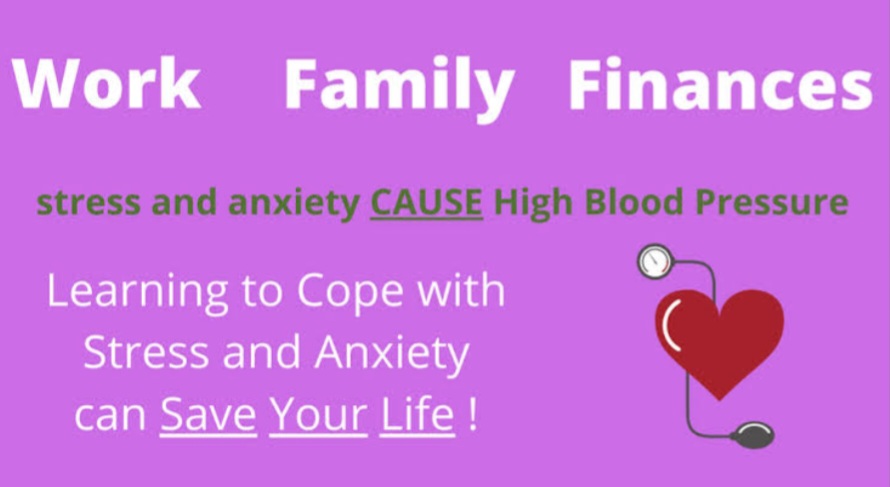
Anxiety Isn’t Just “In Your Head” (It’s in Your Bloodstream Too). Clinically When you’re anxious:
- Your heart rate goes up
- Your blood pressure rises
- Stress hormones like cortisol increase
This can actually affect how smoothly anesthesia is induced. That’s why anesthetists aren’t just there to push drugs—they’re there to stabilize you emotionally and physiologically at the same time.
In other words:
A calm patient is not just happier- it's clinically easier (and safer) to manage.
The Anesthetists rarely get the spotlight for :
- Monitoring your breathing
- Controlling your consciousness
- Balancing multiple drugs in real time
But in those final 30 seconds, they’re also doing something else - convincing your brain that everything is okay!
Sometimes it’s calm reassurance.
Sometimes it’s light humor.
And yes—sometimes it’s singing (we see you, TikTok doctors 👀).
Why That Tiny Interaction Matters So Much
1. It Builds Instant Trust - You don’t get weeks to know your anesthetist. You get seconds.
2. It Shapes Your Entire Story - Ask patients what they remember, and you’ll rarely hear:
“The surgical technique was excellent.”
You’ll hear:
- “The doctor was kind”
- “I felt safe”
- “I was terrified”
That last conscious moment becomes the emotional summary of the entire experience.
3. It Has Real Clinical Impact
Studies in anesthesiology show that reducing preoperative anxiety can:
- improve patient cooperation
- stabilize vital signs
- enhance recovery experience
So this isn’t just “being nice."- It’s good medicine.
You’re lying on a table.
A stranger says, “Count backwards from 10.”
You get to 8… maybe 7…
Then suddenly you wake up hours later like:
“Who turned off my existence??”
If that moment isn’t handled well, it can feel unsettling.
If it is handled well, it feels almost… seamless.
That difference? - About 30 seconds.
So… Is It More Important Than the Surgery?
Let’s not get carried away.
The surgery determines:
- whether the procedure succeeds
- whether you heal properly
But those last 30 seconds determine:
- how you experience the entire journey
- how you remember it
- whether you trust healthcare again
So clinically? Surgery wins.
Experientially? It’s close.
The beauty of healthcare is that it’s not only about what is done to the body—it’s also about what is felt by the person.
And sometimes, the most powerful part of care isn’t the incision… - It’s the quiet voice that says:
- “You’re safe. We’ve got you.”, Right before everything fades to black.